Search NSDBytes

Find the right place to start.

Popular starting points

Start typing or choose a suggestion.

Search across services, products, case studies and insights.Can’t find it? Tell us what you need

Stop Letting Resellers Hijack Your Brand: How to Reclaim the Top Spot in Hotel Search

Resellers outrank independent hotels on their own name and take the booking. How the hijack works, and how to reclaim the top spot.

Brand Protection

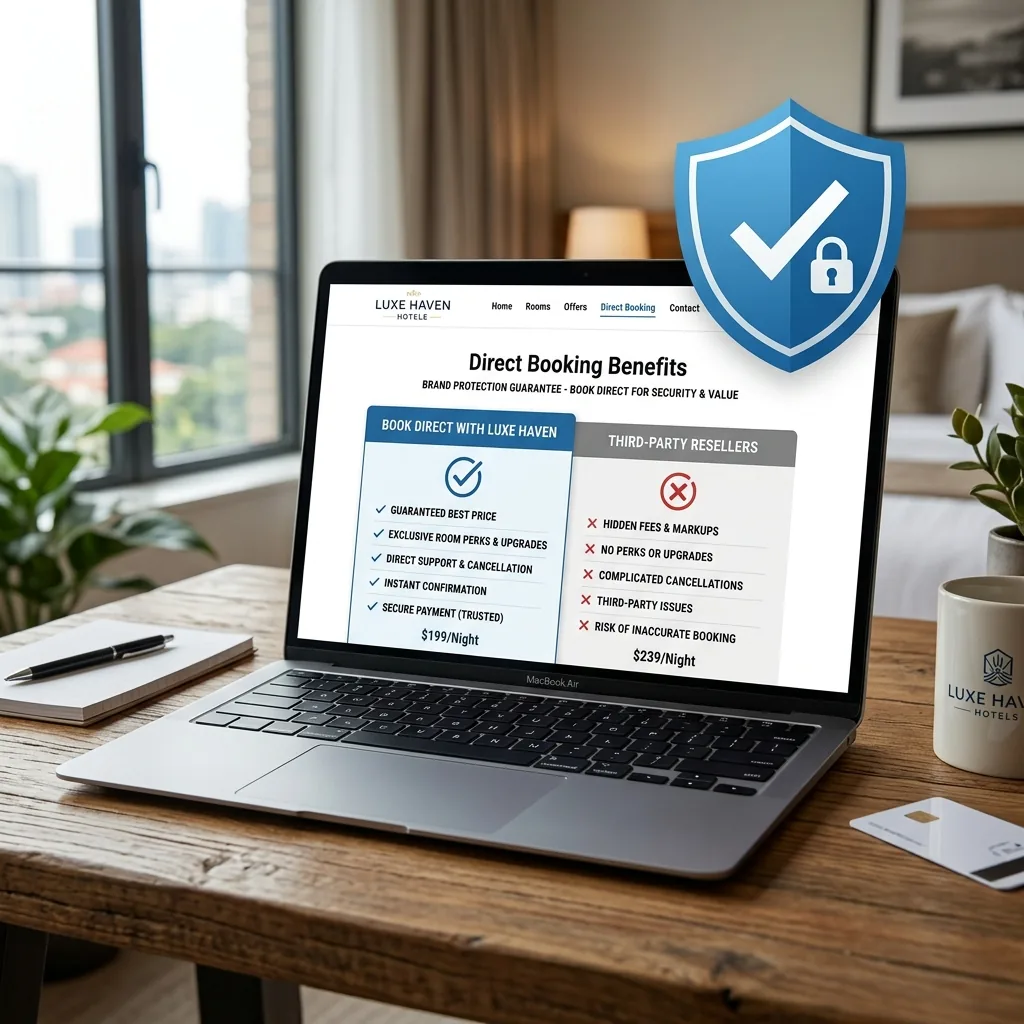
It’s one of the most frustrating scenarios for any hotel operator: A loyal guest searches for your specific hotel by name, intending to book directly. Instead of clicking on your official website, they click the very first link—a sponsored ad placed by a third-party reseller bidding on your brand name. The guest books the room, and you are hit with a massive commission fee for a reservation you had already earned.

This predatory practice, often referred to as brand hijacking, severely damages margins, particularly for independent hotels. It’s time to reclaim the top spot.

The Cost of Complacency

While Online Travel Agencies (OTAs) are vital for top-of-funnel discovery, paying 15% to 25% commission on a guest who specifically searched for your brand is an unnecessary loss. Furthermore, guests booking through unauthorized resellers often encounter poor customer service, hidden fees, and rigid cancellation policies, which they ultimately blame on your hotel.

As highlighted in our HITEC 2026 trends breakdown, empowering hotels to take back control of their direct booking channels is a major priority for modern hospitality technology.

Strategies for Reclaiming the Top Spot

To stop resellers from hijacking your brand and to drive direct booking growth, hotels must adopt a proactive, multi-pronged approach:

1. Implement Profile Control and Brand Protection Tools

Utilize software designed to monitor search engine results for your brand keywords. These tools can automatically flag unauthorized resellers bidding on your trademarked name, allowing you to file complaints with search engines and enforce your brand guidelines.

2. Maintain Ironclad Rate Parity

If a reseller is offering a lower rate than your direct channel, guests will inevitably click away. Implementing a dynamic pricing and OTA management engine ensures that your rates are instantly synchronized across all channels. Your official website must always display the Best Available Rate (BAR).

3. Engineer a Superior Direct Guest Journey

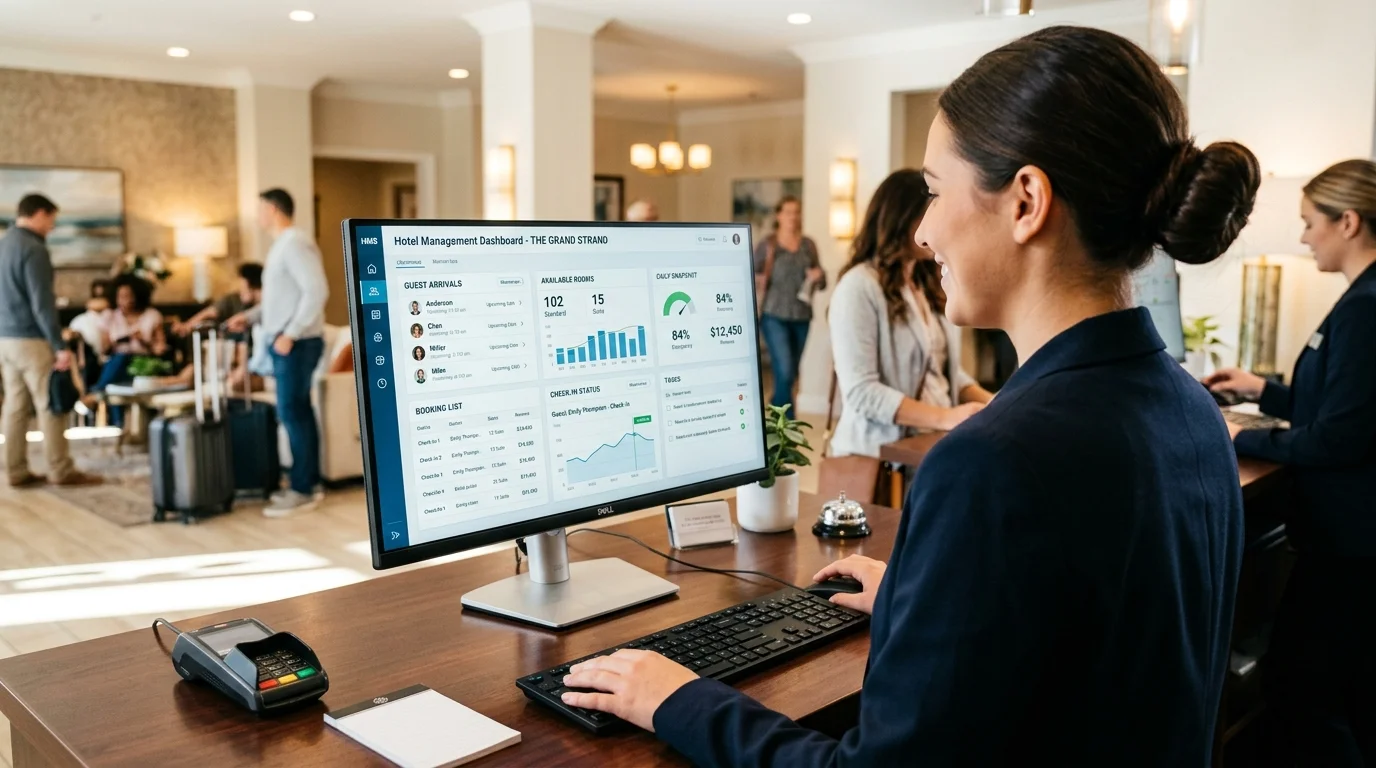
The most effective way to train guests to book directly is to offer an experience they cannot get anywhere else. This is where a custom Guest Management System (GMS) becomes a direct booking weapon.

By offering features like automated digital check-in and mobile keys exclusively to guests who book direct, you create a powerful incentive. When guests realize that booking through your site means bypassing the lobby entirely, they will bypass the OTA on their next visit.

Take Control of Your Margins

At NSDBytes, our custom software development services are designed to help you build the digital infrastructure necessary to protect your brand and maximize revenue.

Stop paying commissions for guests who already know your name. Contact us today to discuss how we can build a direct booking engine and GMS that puts you back in control.


A little clarity

Frequently asked questions

What is brand hijacking in the hotel industry?

Brand hijacking is when unauthorized third-party resellers bid on a hotel's specific brand name in search engines. They direct potential guests to their own sites, collecting high commissions. This diverts bookings from the hotel's official direct channel, damaging margins and potentially guest experience due to hidden fees.

How can hotels increase their direct bookings?

Hotels can increase direct bookings by implementing profile control tools to monitor brand keywords. Maintaining strict rate parity across all channels is crucial. Additionally, offering exclusive incentives, such as automated digital check-in and mobile keys only through the direct channel, significantly encourages guests to book directly.

How much commission do online travel agencies typically charge hotels?

Online Travel Agencies (OTAs) typically charge hotels significant commission fees, often ranging from 15% to 25% per booking. This cost is particularly impactful when guests specifically search for a hotel's brand name but are then diverted to an OTA, leading to unnecessary commission payments.

Are there data privacy concerns for hotel guest data under GDPR when using a Guest Management System?

Yes, when implementing a Guest Management System (GMS), hotels must ensure compliance with GDPR for EU guest data. This involves secure data processing, clear consent mechanisms, and transparent data handling policies. A well-designed GMS helps manage guest data responsibly while enhancing the direct booking experience.

What is rate parity in the hotel industry?

Rate parity means a hotel offers the same room rate across all its distribution channels, including its own website and various Online Travel Agencies (OTAs). Maintaining ironclad rate parity is essential to prevent guests from finding lower prices elsewhere, encouraging them to book directly through the hotel's official channels.

How do digital keys encourage direct bookings for hotels?

Digital keys encourage direct bookings by offering an exclusive, convenient perk unavailable through third-party channels. When guests can bypass the front desk and access their room directly via their mobile device only by booking on the hotel's official website, it creates a strong incentive for future direct reservations.

Keep reading

More on Hospitality Technology

Running hospitality software?

See how we build for hotels.

Guest journeys, daily operations and the systems behind them. Start from the setup you have and the problem that costs you most.

See hospitality software

Let’s talk about your project.

Just your name and email to start. Add a brief if you have one.

Nikunj, our Sales Head, replies within one business day.

Prefer email? [email protected]