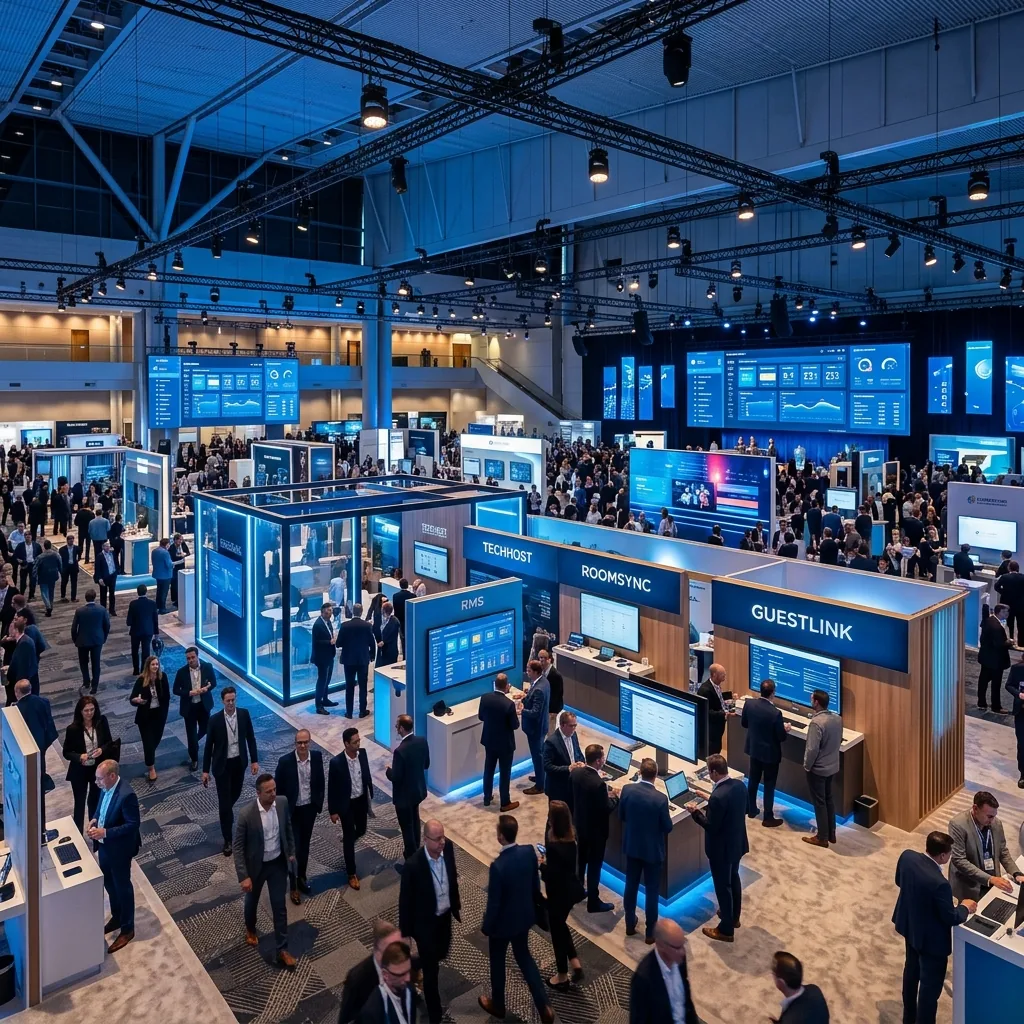
The hospitality industry is at an inflection point. Coming out of HITEC 2026, one theme dominated the exhibition floor and keynote stages: the era of rigid, monolithic, all-in-one software suites is ending. In its place, a new paradigm of modular technology is taking root, empowering hotels to build flexible, best-in-breed tech stacks that prioritize the guest experience above all else.
At NSDBytes, our dedicated teams of hotel management system developers have been tracking this shift closely. The demand for bespoke hospitality software development services is surging as properties realize that adapting to modern traveler expectations requires agility that legacy systems simply cannot provide.
The Problem with Monolithic Legacy Systems
For decades, hotels have relied on massive Property Management Systems (PMS) to run their operations. While these systems are robust, they are often incredibly slow to innovate. When a hotel wants to add a modern feature—like a seamless mobile app or digital key access—they are often constrained by the limitations of their core PMS.
Industry trends suggest that a “rip-and-replace” approach is not the answer. Replacing a core PMS is disruptive, expensive, and risky. Instead, the solution lies in modularity.
The Rise of the Guest Management System (GMS) Layer
The most significant takeaway from HITEC 2026 is the adoption of the Guest Management System (GMS) as an overlay. Rather than replacing the legacy PMS, forward-thinking hotels are deploying a GMS to act as the modern, mobile-first interface for guests.
Read more about why a GMS Layer is the Smarter Upgrade in our next post.
This approach allows properties to rapidly deploy cutting-edge features. For example, by integrating a modular GMS, hotels can achieve:
- Digital Web Check-in: A mobile-first guest onboarding process allowing users to securely upload ID and complete payment before arrival.
- Mobile Keys & Lobby Bypass: Integration with digital locks so guests can bypass the lobby entirely and unlock their rooms using their smartphones.
AI and Automation: The New Standard
Another major trend is the integration of advanced AI models into daily operations. As highlighted in our discussion on How AI Agent Implementation Levels the Playing Field, AI is no longer a buzzword; it’s an operational necessity.
In our own Guest Management System (GMS) development, we utilized models like Claude and Gemini to automate routine front-desk tasks, ensuring flawless 24/7 night-time operations. This kind of intelligent automation handles guest requests and queue processing instantly, demonstrating how scalable architectures are built for the modern traveler.
Reclaiming the Guest Journey
Finally, modular tech empowers hotels to take back control of their brand and direct bookings. By utilizing specialized tools for reclaiming the top spot in hotel search, properties can reduce reliance on third-party resellers and foster direct relationships with their guests.
The frictionless hotel of 2026 isn’t built on one massive piece of software; it’s built on a smartly integrated, modular ecosystem that puts the guest first.
Looking to modernize your property’s technology stack? Contact our expert team today to discuss how our custom hospitality software solutions can transform your operations.
Related Articles
Frequently Asked Questions

Written by the NSDBytes Team
We are passionate about software development, AI integration, and helping businesses achieve operational excellence through modern technology.
Need something like this built?
We build and maintain our own hospitality products like GMS. Let us build yours.