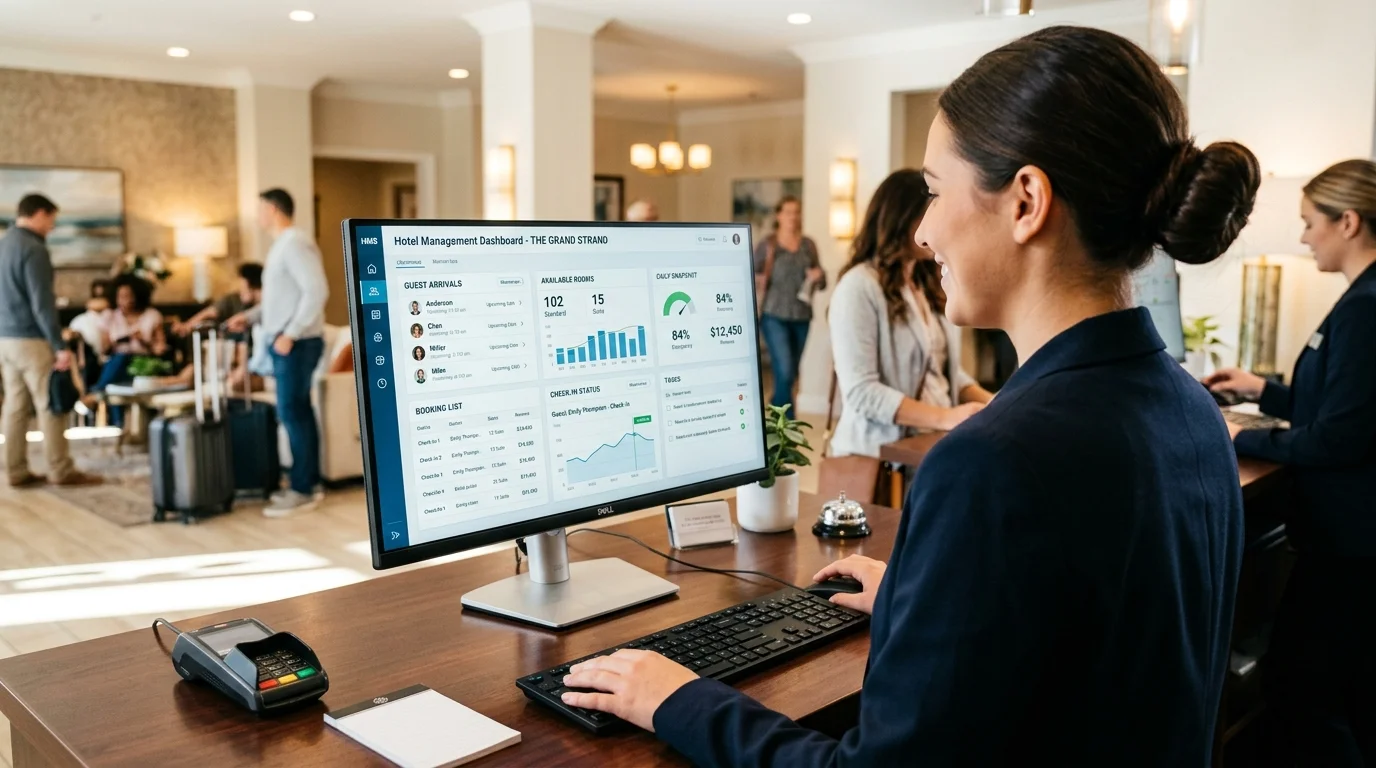
In the ultra-competitive landscape of luxury and boutique hospitality, personalizing the guest experience is the ultimate differentiator. Yet, in 2026, most hotel brands remain trapped inside fragmented data silos. A guest’s dining preferences live in the restaurant POS, their room service habits are locked inside a legacy PMS, their pre-arrival inquiries sit in an isolated messaging portal, and their past stay reviews languish on third-party OTA servers. When guest data is scattered across disconnected systems, hotels are forced to rely on generic, intrusive email blasts that annoy travelers and yield abysmal conversion rates. By breaking down these data silos and engineering a unified semantic data layer, properties unlock the era of predictive hospitality—aggregating real-time behavioral insights to intelligently prompt guests with high-value, tailored up-sells exactly when they are most likely to convert.
1. Shattering Silos to Build the Unified Guest Profile
True predictive hospitality requires an enterprise data architecture capable of continuously ingesting, cleaning, and synthesizing unstructured data streams into a single, real-time guest master profile.
Key Takeaway: Hotels that implement predictive semantic data engines achieve a 35% increase in ancillary up-sell revenue and dramatically boost guest satisfaction ratings by delivering hyper-personalized service.
Analytics Blueprint: Segmented Silos vs. Predictive Engine
To understand how elite data engineering transforms ancillary revenue generation, contrast traditional marketing segmentation with a real-time predictive data engine:
| Strategic Capability | Isolated Legacy Data Silos | NSDBytes Predictive Semantic Engine |
|---|---|---|
| Up-sell Timing | Generic pre-arrival email blast 48 hours prior | Real-time dynamic prompt delivered at point of peak interest |
| Offer Relevance | One-size-fits-all (e.g., standard generic breakfast) | Hyper-personalized (e.g., favorite wine vintage pre-ordered) |
| Data Aggregation | Disconnected manual spreadsheets & rigid CRM tables | Unified AI semantic ingestion across POS, PMS & messaging |
| Guest Loyalty | Fragile points-based loyalty easily abandoned | Emotional loyalty forged through deep anticipatory service |
2. Powering Smart Up-Sells & Anticipatory Service
A predictive hospitality engine acts as a silent, intelligent concierge. If a guest arrives on a late-night flight and previously ordered room-service burgers during late stays, the mobile guest portal dynamically presents an automated prompt upon digital check-in: “Welcome back! Would you like our kitchen to prepare your favorite late-night burger for your arrival in Room 402?” Similarly, the system identifies high-occupancy morning departures and automatically offers tailored, paid late-checkout packages to guests with afternoon flight schedules.
This sophisticated data-engine represents the indispensable cognitive foundation required to power autonomous, intelligent guest interactions, operating in perfect harmony with the background systems detailed in The Autonomous Night Audit. To discover how our elite data engineering teams build unified data lakes and deploy advanced analytics architectures, visit our dedicated Data Intelligence Services page.
Frequently Asked Questions (FAQ)
What is predictive hospitality?
Predictive hospitality is the practice of leveraging advanced data analytics, artificial intelligence, and machine learning to analyze a guest’s historical behavior and real-time context, allowing the hotel to anticipate their needs and offer personalized services before the guest explicitly requests them.
How do data silos damage the hotel guest experience?
Data silos prevent different hotel departments from sharing vital guest information. For example, if a guest informs the spa desk of a severe allergy, but that information is locked in a siloed spa software system, the restaurant staff remains unaware—leading to inconsistent and potentially hazardous service.
How does NSDBytes aggregate disparate hotel software data?
We architect highly secure, enterprise-grade data pipelines and semantic integration layers that connect disparate property systems (PMS, POS, CRM, and IoT sensors), unifying unstructured data into an accessible, real-time analytics lake.
Unlock Your Data Potential with NSDBytes
Stop letting valuable guest insights sit trapped inside disconnected software silos. Partner with NSDBytes to engineer an elite predictive data architecture that drives ancillary revenue and lifelong guest loyalty.
Book your free AI consultation