
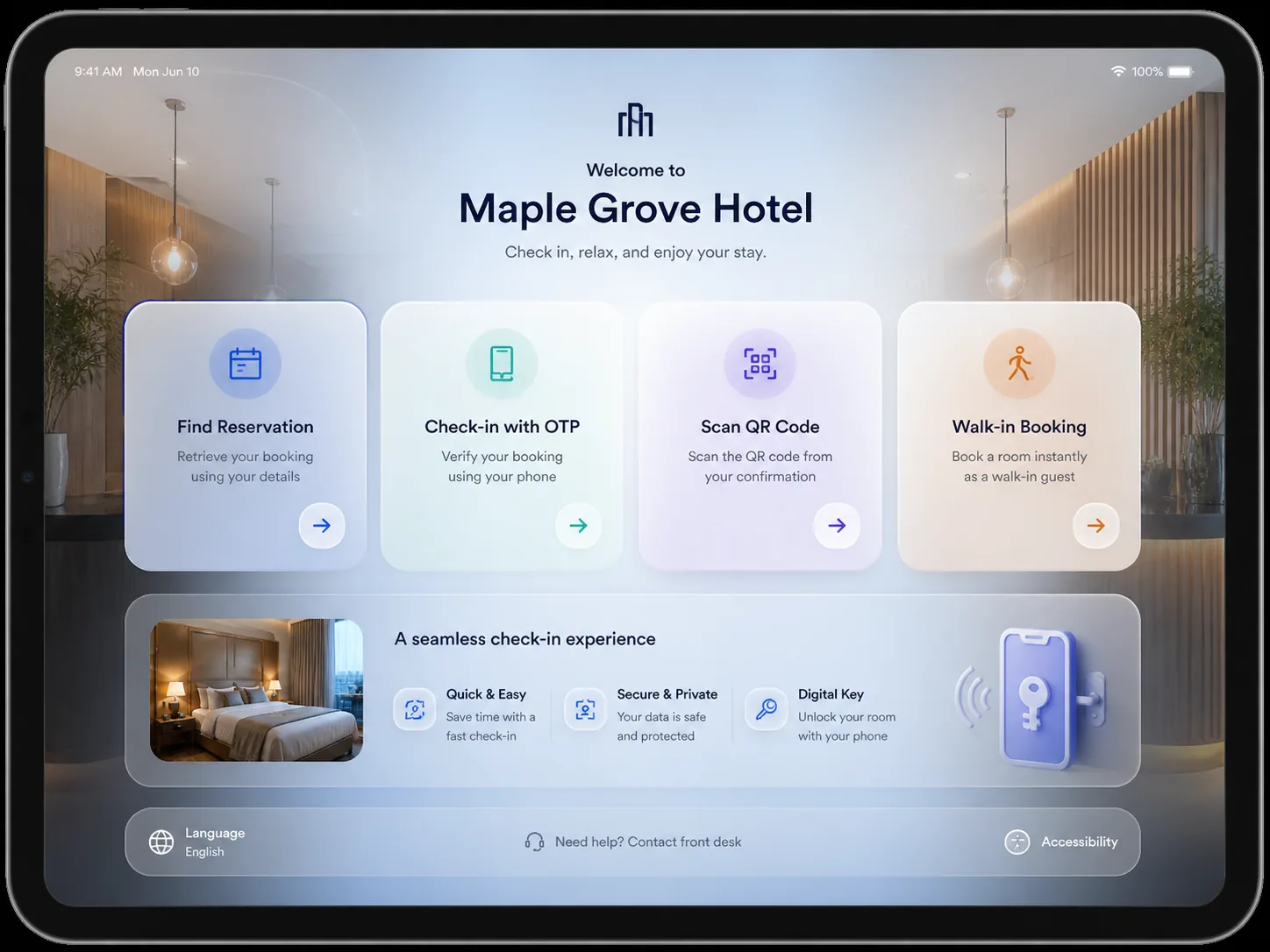
The hospitality industry has reached a critical inflection point: the Open API ultimatum. For decades, legacy Property Management Systems (PMS) have operated as walled gardens, locking hotel data inside rigid, on-premise silos. In 2026, this outdated architectural model is actively sabotaging hotel profitability and guest satisfaction. Hoteliers are no longer willing to wait months or pay exorbitant integration fees just to connect modern mobile key portals, automated up-sell engines, or intelligent AI assistants. If legacy PMS vendors do not immediately open their architectures with robust, bi-directional APIs, they will be completely bypassed and disrupted by agile, AI-first product ecosystems.
1. The Death of the Walled Garden PMS
In the modern digital landscape, data fluidity is paramount. A closed PMS acts as a bottleneck, severely crippling a hotelier’s ability to innovate or deploy modern microservices.
Key Takeaway: Walled-garden PMS platforms operate as innovation anchors. Hotels that migrate to open, API-first architectures achieve a 40% faster time-to-market for new guest services and reduce integration friction to near zero.
Architectural Comparison: Legacy vs. AI-First Stack
To understand why hoteliers are aggressively migrating away from legacy monoliths, consider the profound differences in system architecture:
| Architectural Pillar | Legacy Walled-Garden PMS | Modern AI-First Open Stack |
|---|---|---|
| Integration Speed | Months of custom scoping & heavy fees | Instant plug-and-play via RESTful/GraphQL APIs |
| Data Synchronization | Scheduled batch jobs (high latency) | Real-time event-driven webhooks & bi-directional sync |
| AI Capabilities | None (requires manual human workarounds) | Native semantic layers for automated decision-making |
| System Scalability | Rigid on-premise or single-tenant cloud | Highly elastic, containerized microservices |
2. The Direct Bridge to AI Ecosystems
Without open APIs, real-time AI agents simply cannot function. Intelligent systems require uninterrupted, sub-second access to housekeeping status, real-time folio balances, and guest preference histories to orchestrate flawless check-in experiences.
By demanding open standards, forward-thinking hoteliers are laying the foundation for an autonomous future. To understand the severe financial penalties of remaining on closed systems, read our deep dive on The Hidden Tax of Legacy Tech. Furthermore, explore how these foundational APIs power the ultimate vision of Predictive Hospitality and Smart Up-Sells, or discover our custom Hospitality Product Development solutions designed to modernize your property.
Frequently Asked Questions (FAQ)
What is an Open API in hotel technology?
An Open API (Application Programming Interface) provides publicly available, standardized documentation and endpoints that allow third-party software applications to communicate and exchange real-time data with a hotel’s PMS without requiring custom integration contracts.
Why are legacy PMS platforms resistant to open APIs?
Historically, legacy PMS vendors monetized their walled gardens by charging hefty certification, installation, and maintenance fees for third-party connections. Open APIs dismantle this artificial revenue stream by enabling seamless, standardized integrations.
How does an AI-first hospitality ecosystem operate?
An AI-first ecosystem utilizes an open data layer where autonomous agents continuously analyze real-time guest interactions, dynamically adjust room pricing, automate check-ins, and trigger predictive up-sells without requiring human staff intervention.
Transform Your Operations with NSDBytes
Are you ready to break free from legacy PMS constraints and build an agile, AI-first hospitality architecture? Contact our engineering team today to architect your custom integration layer.
Book your free AI consultation